

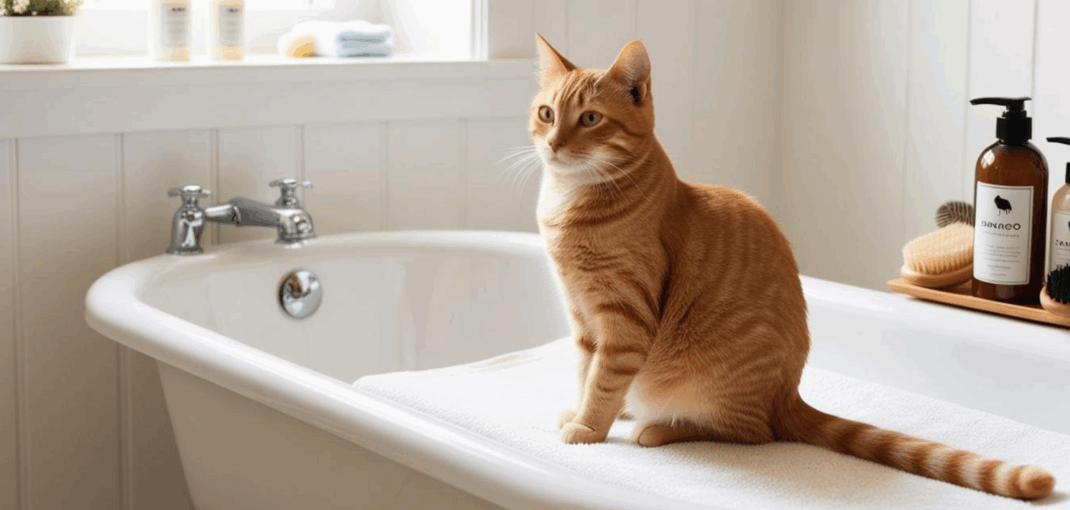
Bathing cats is one of the most misunderstood topics in the pet care world. Many cat owners are unsure whether they should bathe their feline friends at all. Some believe cats are naturally clean and never need a bath, while others try to create a bathing routine similar to dogs. So, what’s the truth? In this comprehensive guide, we uncover everything you need to know about bathing cats, including when it’s necessary, how to do it safely, and what products to use.
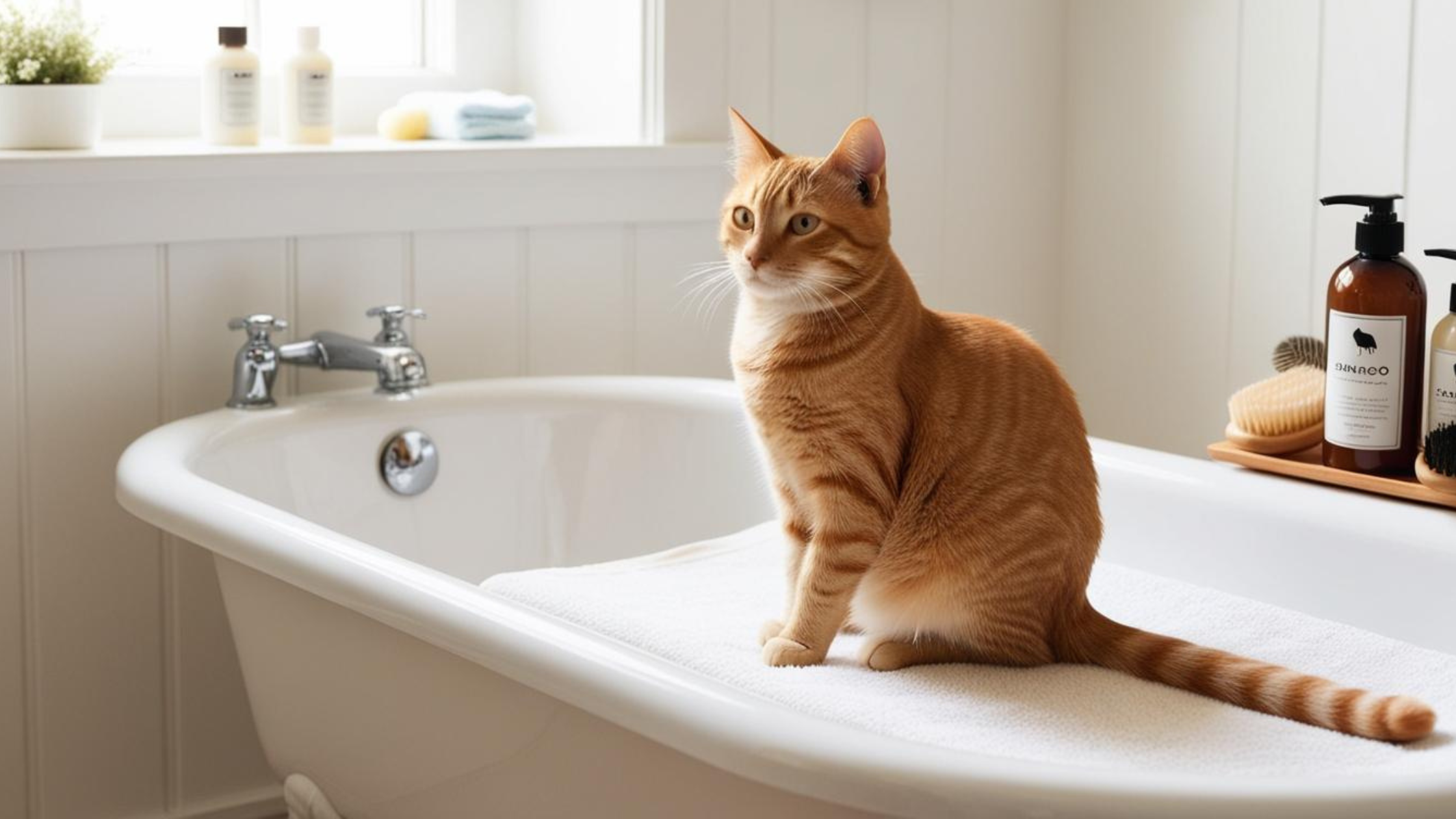
Do Cats Really Need Baths?
Cats are known for their cleanliness. In fact, they spend up to 50% of their waking hours grooming themselves. Their tongues have tiny, hook-like structures called papillae that help remove dirt, loose fur, and parasites. But while cats are good at keeping themselves clean, there are times when bathing cats becomes necessary.
When Is Bathing Necessary?
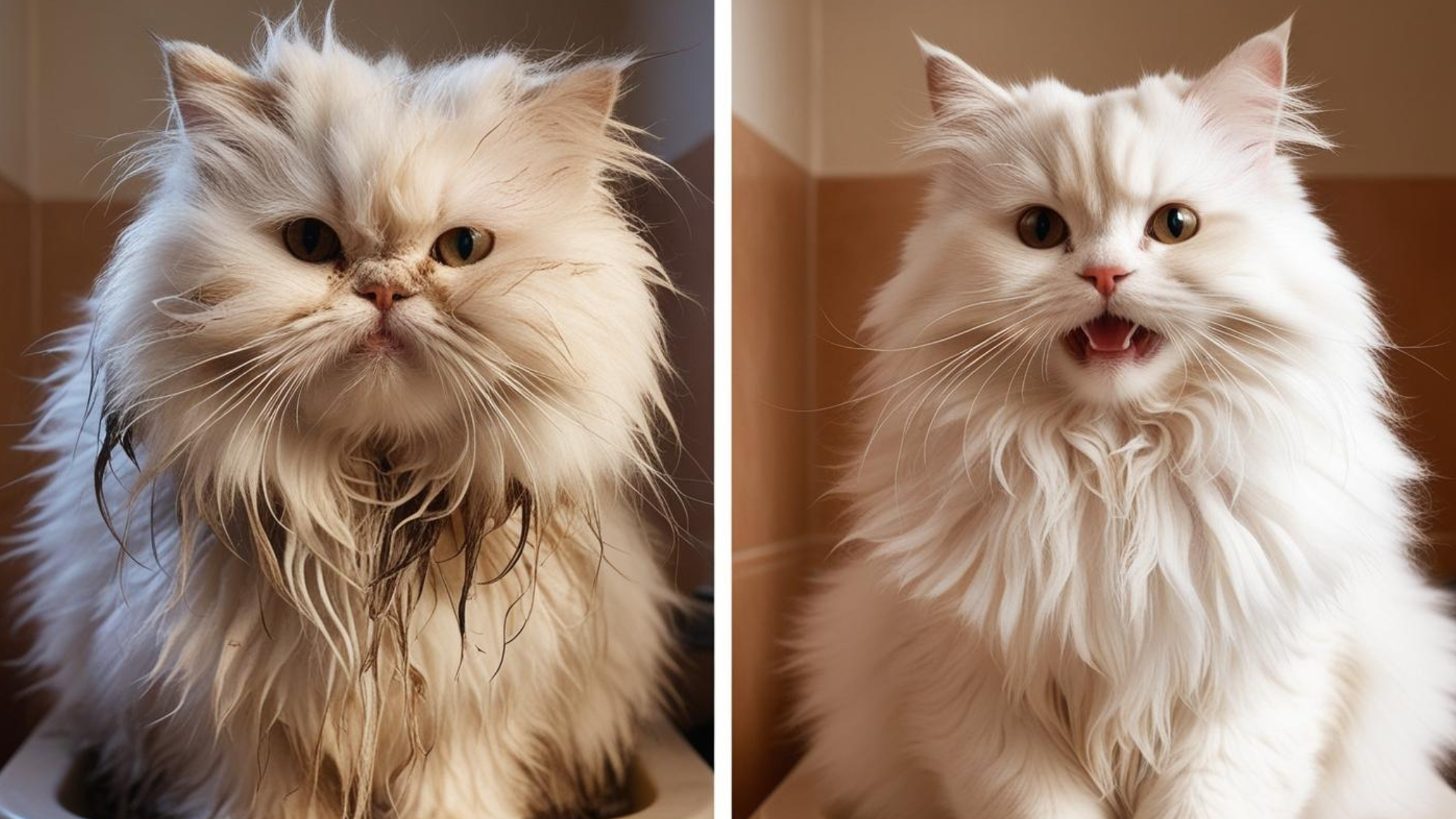
- Long-Haired Breeds: Persian, Ragdoll, and Maine Coon cats may need occasional baths to prevent matting.
- Senior or Obese Cats: These cats might have difficulty reaching certain parts of their body.
- Health Conditions: Skin infections, fleas, or fungal problems like ringworm might require medicated baths.
- Messy Accidents: Sometimes cats roll in something sticky, oily, or toxic and need immediate cleaning.
Tip: For trusted grooming supplies made for sensitive feline skin, explore The Paw Story’s Grooming Collection.
How Often Should You Bathe Your Cat?
The frequency of bathing cats depends on several factors:
Breed and Coat Type
- Hairless Breeds (e.g., Sphynx): Need a bath every 1–2 weeks because their skin produces oil without fur to absorb it.
- Long-Haired Breeds: May need a bath every 4–6 weeks to prevent knots and tangles.
Lifestyle
- Indoor Cats: Typically stay cleaner and may need fewer baths.
- Outdoor Cats: Can get dirty and may require baths more frequently.
Medical Needs
If your cat has skin conditions, allergies, or external parasites, your veterinarian might recommend a specific bathing routine using medicated shampoo.
Learn more about feline grooming from AVMA
Common Myths About Bathing Cats
Let’s break down some popular myths about bathing cats:
Myth 1: Cats Hate Water
Some cats actually enjoy water, especially breeds like the Turkish Van and Bengal. Most cats dislike bathing because of unfamiliarity, noise, or being restrained.
Myth 2: Cats Never Need Baths
While cats are exceptional groomers, there are situations where they need human help. Ignoring these needs can lead to hygiene problems, skin diseases, or discomfort.
Myth 3: All Cats React the Same to Baths
Just like humans, cats have different personalities. Some may tolerate baths well, while others may resist. Using the right technique and products makes a huge difference.
How to Bathe a Cat Safely: Step-by-Step Guide
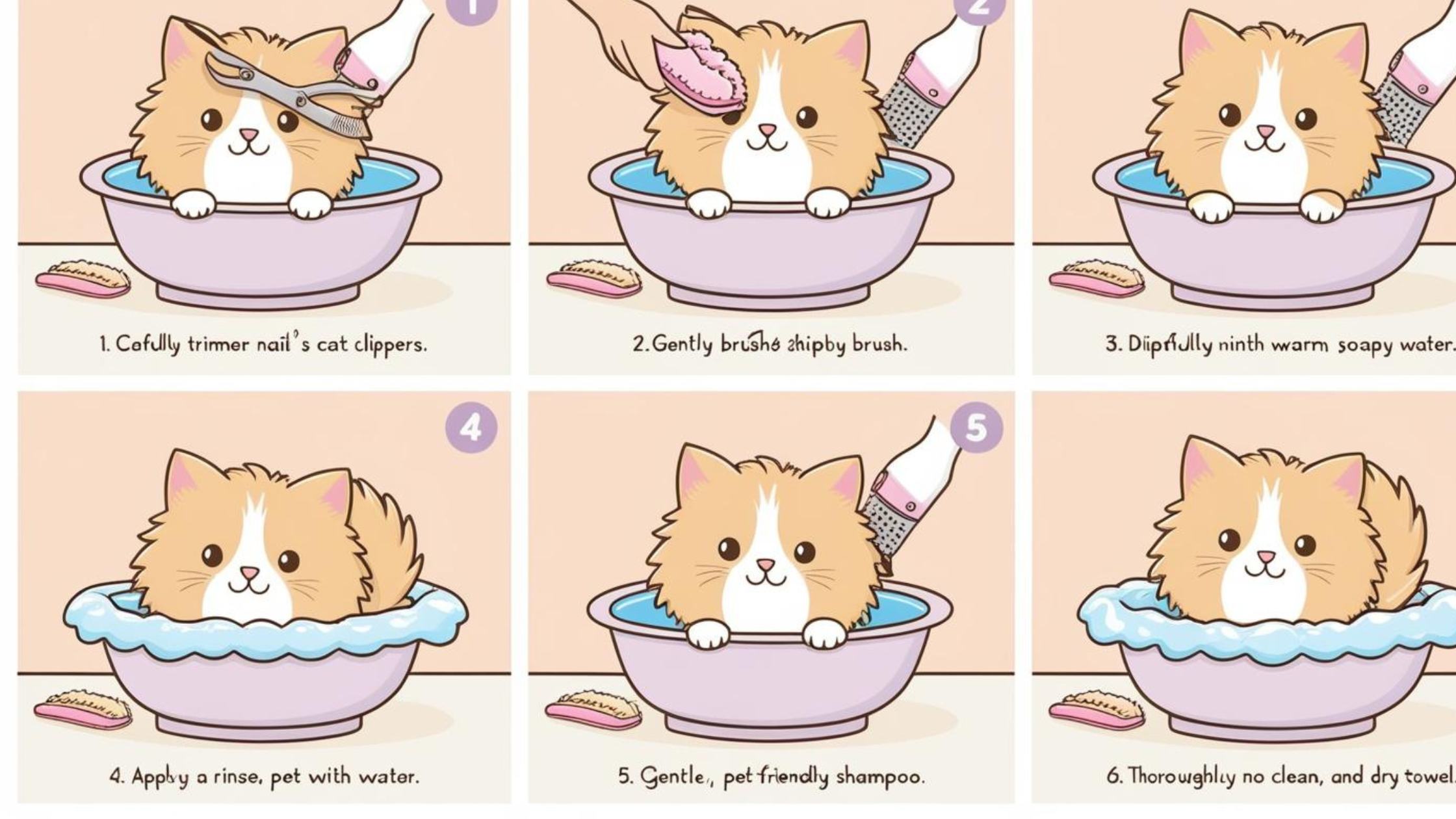
If you’ve never tried bathing cats before, it can seem intimidating. Follow this step-by-step guide:
Step 1: Prepare in Advance
- Trim your cat’s nails.
- Brush the coat to remove tangles and loose fur.
- Use a cat-specific shampoo (never use human or dog products).
- Lay a towel or non-slip mat in the sink or tub.
- Keep a cup or gentle sprayer ready for rinsing.
Step 2: Bathing Process
- Fill the sink or tub with a few inches of lukewarm water.
- Gently place your cat into the water, starting with the back legs.
- Wet your cat gradually, avoiding the eyes, ears, and nose.
- Apply a small amount of shampoo and massage gently.
- Rinse thoroughly to prevent residue.
- Wrap your cat in a towel and pat dry.
- For shampoos that are safe and chemical-free, explore The Paw Story’s Recommended Grooming Products.
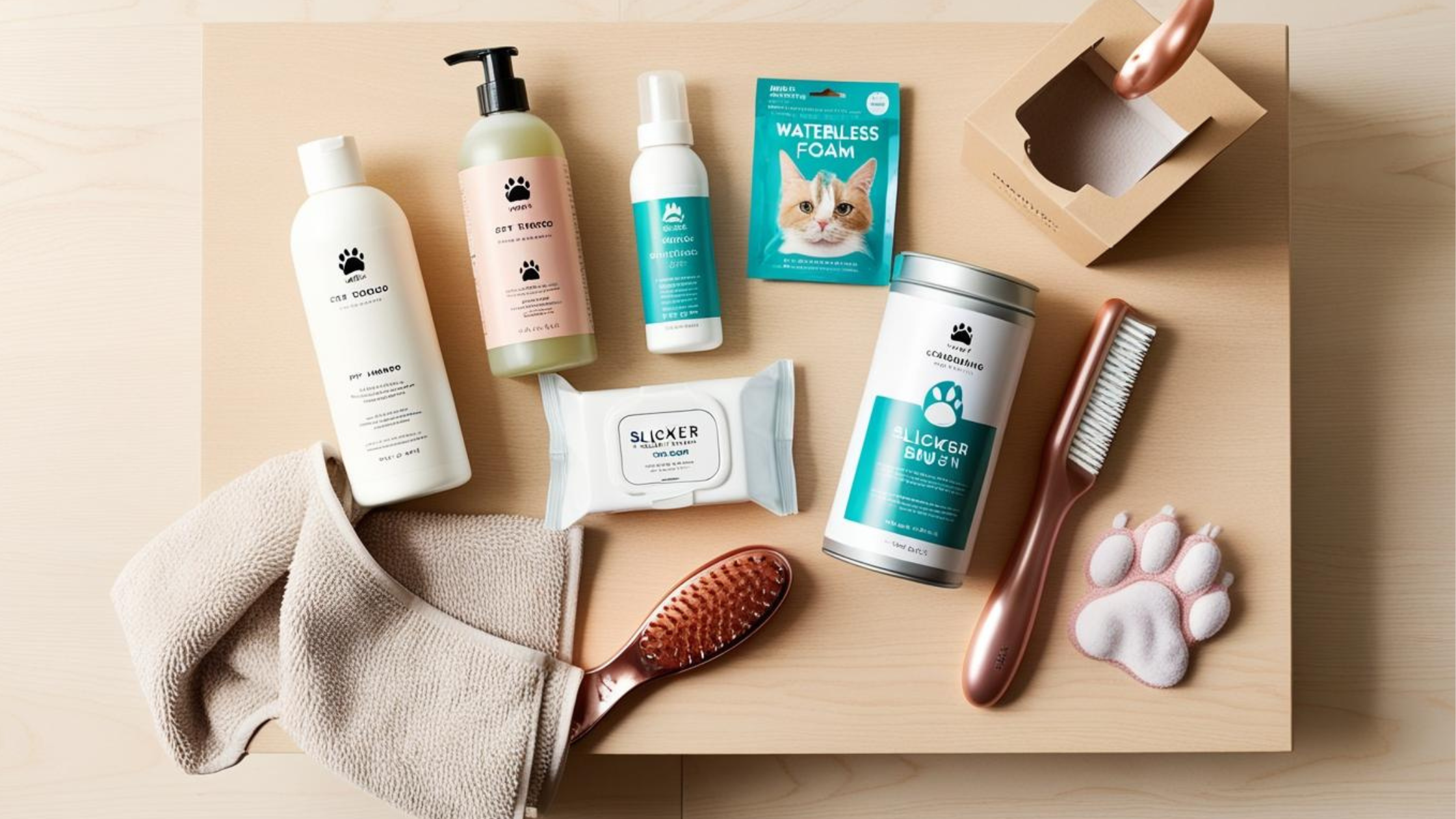
Best Products for Bathing Cats
Choosing the right products is essential for a safe and pleasant bathing cats experience.
Shampoos
- Protien Shampoo: Great for dry, itchy skin.
- Vet’s Best Waterless Cat Bath: Perfect for cats that hate water.
Buy Now : Pet Protien Shampoo:
Brushes & Combs
- Use a slicker brush for long-haired cats.
- A de-shedding tool like the FURminator helps reduce shedding.
Buy Now : Grooming Brush
Post-Bath Care Tips
After bathing cats, it’s important to take extra steps to ensure your feline friend remains comfortable:
- Use a warm towel to pat dry.
- Keep the cat in a warm, draft-free room.
- Offer treats to reward calm behavior.
- Gently comb through the fur to prevent tangles.
Tip: Use The Paw Story’s Drying Towel to dry your cat efficiently.
Alternatives to Traditional Bathing
If your cat refuses to go near water, don’t worry — there are alternatives:
1. Waterless Shampoos
These come in foam or spray form. Just apply and wipe off with a soft cloth.
2. Grooming Wipes
Perfect for daily cleanups and spot-cleaning sensitive areas like paws and behind the ears.
3. Professional Grooming Services
Some cats benefit from a trip to the groomer, especially if heavily matted or older.
Learn about grooming alternatives on The Paw Story Blog.
When Should You Consult a Vet?
While bathing cats can solve minor issues, some conditions need professional attention.
Warning Signs:
- Persistent bad odor
- Hair loss or skin flakes
- Redness, sores, or excessive scratching
- Presence of fleas or ticks
These symptoms may indicate infections, allergies, or other underlying issues.
Resource Cornell Feline Health Center
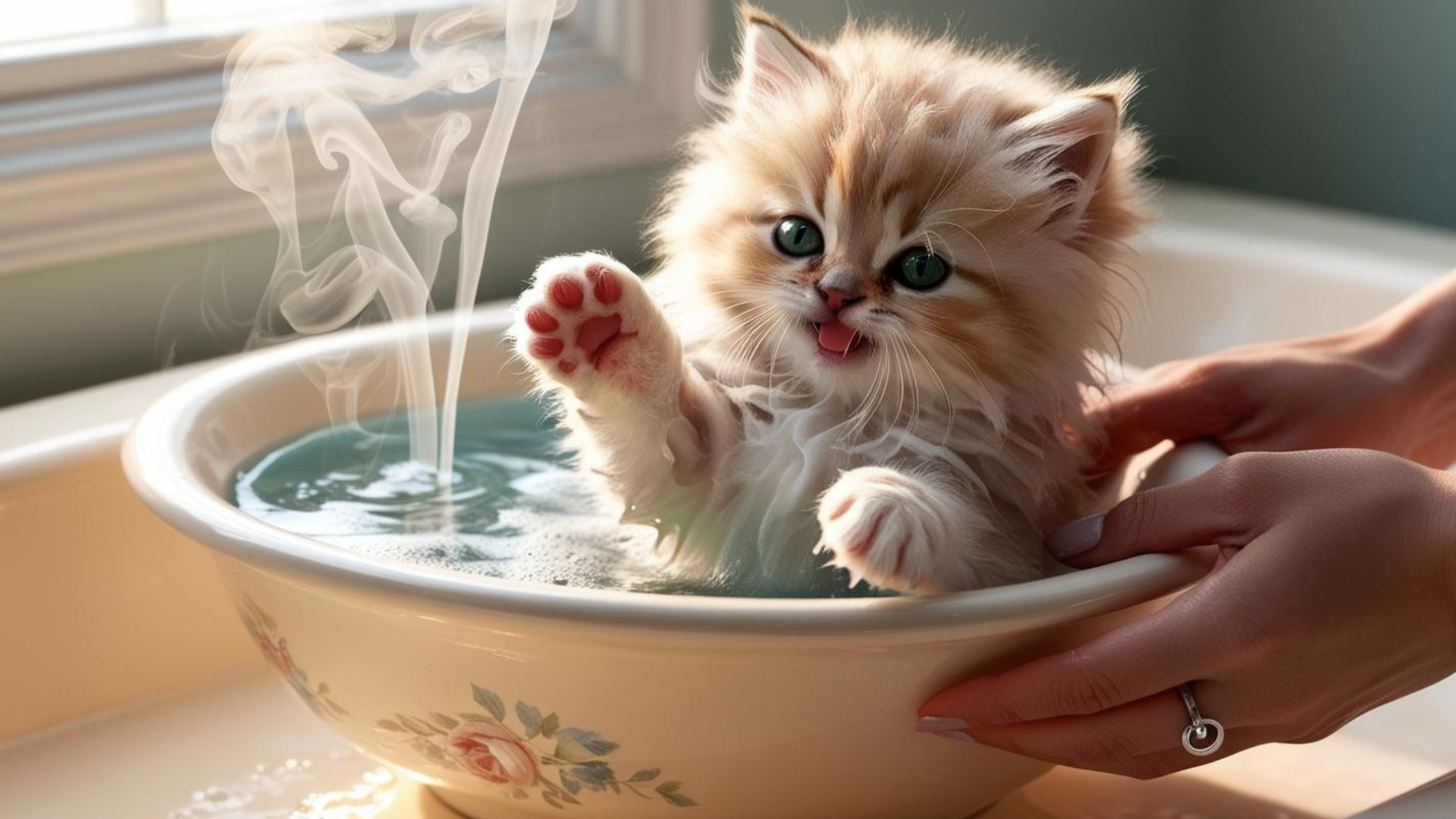
Bathing Kittens vs. Adult Cats
Kittens may require extra caution during baths:
- Use a smaller basin
- Make water shallower and warmer
- Keep the process quick and gentle
Adult cats, especially seniors, may need medicated or moisturizing shampoos. Adjust the process based on age and health.
Check out The Paw Story’s Kitten Care Products for gentle and safe grooming supplies.
FAQ: Common Questions About Bathing Cats
Is it safe to use baby shampoo on cats?
No. Human shampoos can irritate a cat’s sensitive skin. Always use feline-specific shampoos.
How do I dry a long-haired cat?
Use a microfiber towel first, then comb through the fur gently. Avoid using hairdryers unless on a low, quiet setting.
Can I bathe my cat during winter?
Yes, but ensure they stay warm. Keep the environment cozy, and dry thoroughly.
What if my cat gets aggressive?
Try calming sprays, treats, or ask a groomer for help.
Final Thoughts: What You Really Need to Know
Bathing cats isn’t a one-size-fits-all process. While many cats won’t need frequent baths, there are times when it’s essential. The key is knowing when, how, and what to use. Be patient, use the right techniques, and always prioritize your cat’s comfort and health.
By following the tips in this guide, you’ll be better prepared to handle the bath time blues — or even turn it into bonding time.
Internal Tip: Want more practical pet care tips? Head over to The Paw Story Blog for expert advice on everything from grooming to nutrition.